
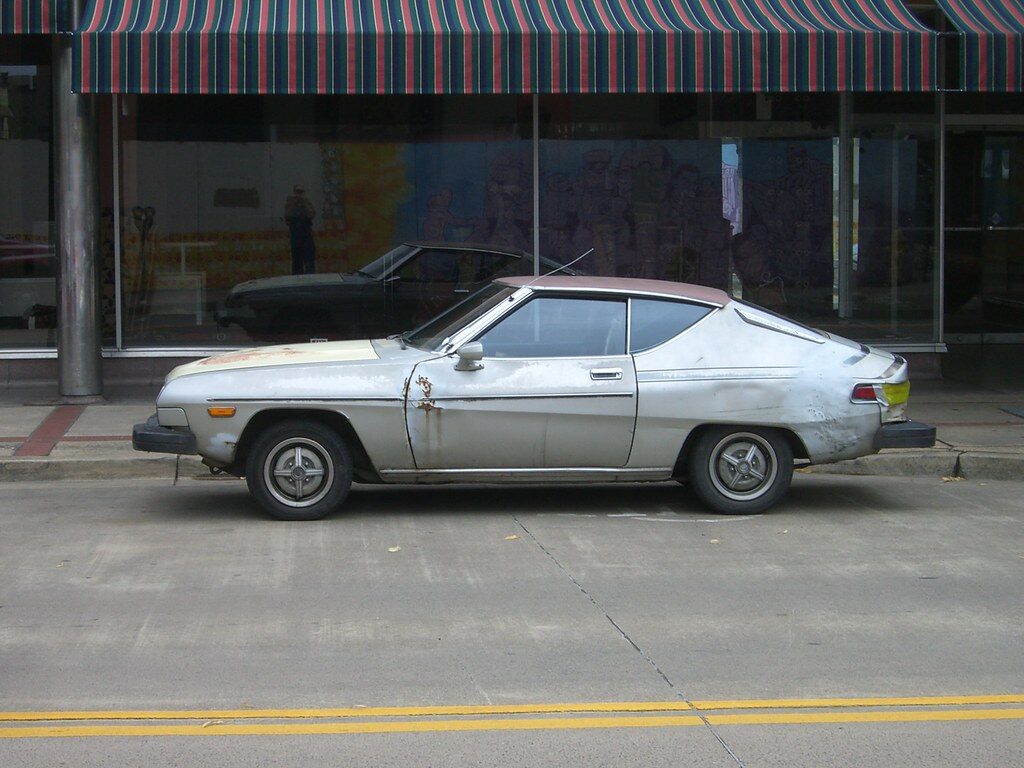
Investing in vintage cars, also known as classic or collector cars, has emerged as a compelling alternative asset class. Combining passion with potential financial returns, vintage car investments offer portfolio diversification and tangible enjoyment. In 2025, the global classic car market is projected to grow steadily, with values estimated around $40-44 billion and a CAGR of approximately 8-9% through the next decade. While not without risks, strategic approaches can yield impressive appreciation for discerning investors.
Why Invest in Vintage Cars?
Vintage cars provide unique advantages over traditional investments:
- Appreciation Potential: High-end classics like Ferraris and Porsches have historically outperformed stocks in certain periods. Indices such as the HAGI Top Index show long-term gains, with some segments achieving 4-10% annualized returns.
- Diversification: Classic car values often move independently of stock markets, acting as a hedge against inflation.
- Tangible Asset with Enjoyment: Unlike stocks, you can drive, display, and experience your investment.
- Tax Considerations: In many jurisdictions, profits may qualify for lower capital gains rates on collectibles.
However, returns vary widely—affordable classics might appreciate 5-10% annually, while blue-chip models can see higher spikes.
Key Factors Influencing Vintage Car Value
Understanding what drives value is crucial for successful vintage car investment strategies:
- Rarity and Production Numbers: Limited-edition models appreciate faster due to scarcity.
- Condition and Authenticity: Cars in concours (show-ready) condition command premiums. Originality (matching numbers, factory parts) is highly prized.
- Historical Significance: Racing pedigree, celebrity ownership, or cultural icons boost value.
- Provenance: Documented history, including service records and ownership chain.
- Market Demand: Trends favor certain eras, like 1980s-1990s modern classics entering the market.
Top Vintage Car Investment Strategies for 2025
Successful investors employ these proven approaches:
1. Buy Blue-Chip Classics
Focus on established high-value brands like Ferrari, Porsche, and Aston Martin. These have consistent appreciation and liquidity.
2. Target Emerging “Future Classics”
Invest in younger cars (20-30 years old) poised for classic status. This offers higher growth potential at lower entry costs.
3. Restoration Projects
Purchase undervalued cars needing work, restore professionally, and sell at a profit. Requires expertise to avoid over-spending.
4. Diversify Your Portfolio
Own a mix of eras, brands, and price points to mitigate risks from market shifts.
5. Long-Term Holding
Vintage cars often perform best over 10+ years. Avoid frequent trading due to high transaction costs.
6. Fractional Ownership
Platforms allow shared investment in high-end cars, reducing individual costs and maintenance burdens.
Best Vintage Cars to Invest in 2025
Based on expert analyses (e.g., Hagerty Bull Market List, auction trends):
- Porsche 911 Variants (e.g., 997 GT3, air-cooled models): Timeless demand and strong appreciation.
- Ferrari Models (e.g., 355, 250 GT): Racing heritage drives premiums.
- Ford Mustang (1960s-1970s Shelby GT500): Iconic American muscle with broad appeal.
- Mercedes-Benz SL “Pagoda” (280 SL): Elegant design and reliability.
- Volvo P1800: Cult favorite with recent surges.
- Toyota Land Cruiser FJ40: Rising off-road classic.
- Emerging: 1990s JDM cars, hot hatches like Renault Clio 182.
Affordable entry points under $50,000 show stability, while premium segments remain strong.
Risks of Vintage Car Investing
Balance potential rewards with these challenges:
- High Ongoing Costs: Maintenance, specialized insurance, secure storage.
- Market Volatility: Trends shift; over-restoration can devalue originality.
- Liquidity Issues: Selling can take time, with auction fees up to 10-15%.
- Authenticity Risks: Fakes or poor restorations erode value.
- Illiquidity and Opportunity Cost: Capital tied up long-term.
Mitigate by buying what you love—enjoyment offsets financial risks.
How to Get Started with Vintage Car Investments
- Educate Yourself: Join clubs, attend shows, read Hagerty or Hemmings.
- Research Thoroughly: Use valuation tools (Hagerty, Classic.com).
- Get Professional Inspections: Always pre-purchase appraisal.
- Buy from Reputable Sources: Auctions (RM Sotheby’s, Barrett-Jackson), dealers, or private sales.
- Secure Proper Insurance and Storage: Specialized policies essential.
- Network: Build relationships in the community for insights and deals.
Conclusion: Is Vintage Car Investing Right for You?
In 2025, the classic car market remains stable with growth in accessible segments. Vintage car investment strategies can deliver rewarding returns for patient, knowledgeable enthusiasts. Prioritize passion alongside profit— the best investments are cars you’d happily own regardless of market fluctuations.
Whether targeting blue-chip icons or emerging classics, thorough due diligence and a long-term view are key. Consult experts and start small to navigate this exciting market successfully.